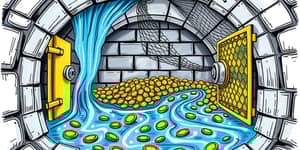
In a world of unpredictability, having a strong financial cushion transforms worry into confidence. Dive in to discover how you can build and protect your own unyielding reserves.
An emergency fund is your first line of defense against life’s shocks—job loss, unexpected medical bills, or sudden repairs. Often called a rainy-day fund, it prevents reliance on high-interest debt and keeps credit scores intact.
Beyond emergencies, cash reserves prepare you for unanticipated opportunities like starting a business, renovating your home, or seizing an investment. Think of your emergency fund as a subset of cash reserves, focused on urgent needs, while cash reserves offer broader financial flexibility for growth.
Certified Financial Planners recommend saving between three to six months of essential living expenses. This baseline ensures you can cover housing, utilities, food, and basic medical costs without scrambling.
Specific guidance varies by circumstance:
Remember, if your income fluctuates or you face significant health concerns, err on the side of a larger buffer. Building up to a year or more can provide unmatched peace of mind during uncertain times.
Knowing when to use your reserves is just as critical as building them. Draw from your emergency fund only for true crises, and rely on cash reserves for growth-driven goals.
Clear boundaries protect your long-term plans. If a cost falls within your regular budget, hold off. If it genuinely falls outside your routine expenses, that’s exactly why you saved.
Building significant reserves doesn’t require a windfall—it demands consistency and smart habits. Start small, aim for progress, and automate whenever possible.
Consistency compounds into confidence. Even modest contributions add up, creating momentum and making your goal feel attainable.
Your reserves must be readily accessible when you need them, yet still earn a respectable return to outpace inflation.
Popular storage vehicles include:
High-yield savings accounts often strike the best balance of liquidity and yield. Match your account choice to each portion of your reserve based on when you might realistically need access.
A well-funded reserve shields you from credit card debt, loan defaults, and the stress of financial uncertainty. It serves as the foundation for smarter debt repayment, long-term investments, and lasting stability.
However, every plan should be customized. Work with a financial advisor to tailor targets based on your debt load, lifestyle, and long-term goals. Regularly review and adjust your savings rate as circumstances evolve.
Common pitfalls include tapping funds for non-essential items, neglecting to rebuild after use, or waiting too long to start. Embrace the mantra: small steps taken today echo into financial freedom tomorrow.
Life will always present surprises—some challenging, others thrilling. By building a robust emergency fund and broader cash reserves, you gain the confidence to face any storm and the flexibility to seize rare opportunities.
Remember, the journey to an unshakeable stack begins with a single deposit. Commit today, stay disciplined, and watch your financial fortress rise stronger with every contribution.
References