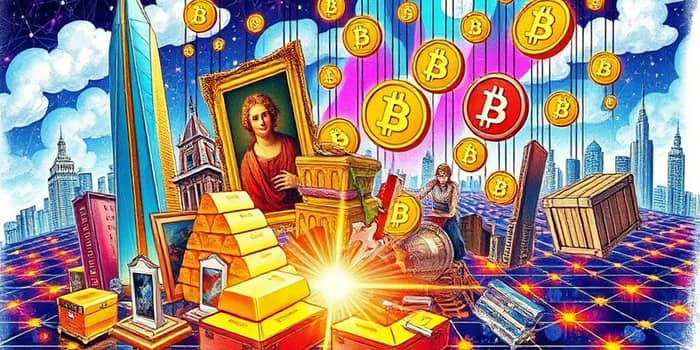
In an age where innovation and finance intersect, the concept of real-world asset tokenization emerges as a transformative force. By bridging traditional finance and decentralized networks, it unleashes liquidity and democratization previously unimaginable.
This journey transcends simple security token offerings or fleeting NFT trends, evolving into a comprehensive ecosystem where real estate, art, commodities, and more gain new digital lives.
The early 2010s witnessed the rise of Security Token Offerings (STOs) as startups and visionary entrepreneurs explored blockchain’s potential for fundraising. Initially confined to equity and debt instruments, these tokenized securities paved the way for a broader vision.
As regulatory frameworks matured and blockchain technology advanced, innovators embraced a wider array of assets—bonds, collectibles, invoices—ushering in an era of unprecedented global secondary markets and the first inklings of a trillion-dollar potential.
Translating tangible assets into digital tokens involves a series of meticulously orchestrated stages. Each step demands legal rigor, technological precision, and strategic vision to ensure that tokens accurately represent the underlying asset’s value and rights.
By weaving these elements together, participants can realize modernizing traditional finance infrastructures and unlock vibrant new market dynamics that transcend legacy limitations.
Real estate stands at the forefront of tokenization success stories. A luxury residential tower, once priced at millions for a single buyer, becomes accessible through tokens representing fractions of ownership.
Art and collectibles, historically reserved for a privileged few, now flourish in digital marketplaces where enthusiasts hold verifiable stakes in masterpieces. Gold and commodity tokens provide instantaneous settlement without the overhead of physical transfer.
Even private credit and corporate invoices enter this arena, streamlining what was once arduous with unprecedented speed and efficiency as digital tokens seamlessly exchange hands across borders.
This balanced lens highlights that while tokenization offers dramatic democratization of asset markets, it also demands vigilant risk management to safeguard participants and uphold trust.
Regulators worldwide grapple with the dual objectives of fostering innovation and protecting investors. The U.S. SEC and CFTC delineate frameworks for securities and commodities, while emerging guidelines from global bodies refine best practices.
In 2025-2026, a wave of policy clarity is expected to catalyze institutional adoption, driven by initiatives like the U.S. President’s Working Group frameworks. Market participants must stay agile, anticipating regulatory policies shaping 2025-2026 and adapting structures accordingly.
Across Europe, Asia, and the Americas, jurisdictions are crafting sandbox programs and licensing regimes that provide safe harbors for compliant token issuances, marking a critical step toward mainstream integration.
Looking ahead, the tokenization ecosystem is projected to harness hundreds of trillions in global assets, from sovereign bonds to rare collectibles. As institutions like major banks and asset managers embrace this technology, network effects will accelerate growth.
DeFi protocols stand to integrate these tokens, enabling automated lending, staking, and even algorithmic asset management. Imagine a world where real estate equity secures flash loans in seconds or art holdings collateralize decentralized derivatives.
By harnessing unprecedented connectivity between assets and markets, the financial landscape of 2030 could bear little resemblance to today’s siloed systems, catalyzing new wealth creation pathways and resilience.
The tokenization of real-world assets transcends a mere technological trend—it signifies a paradigm shift in how value is represented, traded, and shared. From the patient investor accessing fractional property stakes to global firms optimizing capital flows, the implications are profound.
As we stand at this crossroads of finance and technology, stakeholders—innovators, regulators, investors—must collaborate to ensure that tokenization fulfils its promise. With thoughtful design, robust governance, and inclusive frameworks, tokenization can democratize access and redefine global markets for generations to come.
References