In 2026, households across America confront stubborn inflation and rising expenses. Recent surveys reveal 50% of goal-setters have seen ambitions derailed by higher housing and grocery costs, while 81% reported failing 2025 objectives for similar reasons. Understanding that every dollar truly counts is the cornerstone of financial resilience. This comprehensive guide offers actionable strategies to weather economic pressures and build lasting wealth reserves.
Despite consumer prices remaining 26% above pre-pandemic levels and record credit balances topping $1.23 trillion, hope remains. By adopting purposeful habits, cutting wasteful spending, and strengthening emergency buffers, you can reclaim control and achieve long-term goals.
Though headline inflation has cooled since its 2022 peak, everyday costs continue to bite. Grocery prices surged by 66% on popular items, while energy bills climb with each seasonal shift. Twenty-six percent of Americans cite income changes as barriers to saving, and 41% are blindsided by unexpected expenses.
Amid this squeeze, 37% of adults can’t cover a $400 emergency without borrowing, and 54% report saving less than a year ago. A clear picture emerges: without disciplined planning, financial goals can slip through your fingers.
Each January, 37% of consumers resolve to improve their finances. Top priorities include saving more (70%), spending less (49%), improving credit (39%), and paying off debt (38%). Yet by midyear, half of these planners admit defeat, often blaming impulse purchases and lifestyle creep.
Confidence levels vary: only one in three feel very confident in achieving goals, while half remain cautiously optimistic. The key difference between success and failure often lies in the mental shift from wishful thinking to deliberate action.
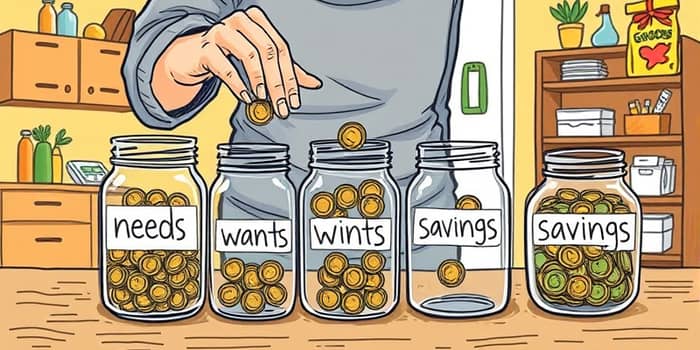
A clear structure transforms vague ambitions into measurable progress. The time-tested 50/30/20 rule divides take-home pay into needs, wants, and savings. Allocating 50% to essentials like rent, groceries, and utilities, 30% to discretionary items, and 20% toward debt and emergency funds creates equilibrium.
Beyond percentages, strip down impulse purchases to basics by tracking every transaction. Use apps or a simple spreadsheet to categorize spending daily. Treat your savings contributions as non-negotiable bills—automate your savings seamlessly each month—and watch balances grow without second thoughts.
Emergency funds are a lifeline when the unexpected strikes. Yet nearly a quarter of Americans lack any rainy-day cushion, and 30% have less than three months of expenses set aside. Building at least three to six months of coverage should be non-negotiable.
Success factors include higher incomes, advanced education, and automated saving habits. Documenting goals on paper correlates with greater achievement—written budgets boost goal achievement and drive accountability.
Targeted cuts in key areas can free up hundreds of dollars monthly. Here’s where to start:
Utilities and Energy: Aim for a 10% reduction by adjusting thermostats, sealing drafts, and switching to LED bulbs. One household reported cutting electricity usage by 15% and slashing gas bills by 10% within a year.
Groceries and Food: Set a firm $200 monthly budget and hunt for markdowns on perishables. Buying non-perishables in bulk ahead of price hikes preserves value and simplifies meal planning.
The Thompson family automated $50 transfers to savings on payday. Three months later, they covered an unforeseen car repair without debt. Meanwhile, college student Maria turned side gigs into $300 monthly, redirecting half to debt payoff and half to investments.
As veteran budgeter James notes, “When you stack up subtle increases in groceries, utilities, and subscription fees, your budget really starts feeling the squeeze.” Recognizing these adds fuels better choices.
Changing behaviors takes time. Set SMART goals—specific, measurable, achievable, relevant, and time-bound. Celebrate milestones, even small ones, to reinforce progress. Create visual trackers or habit rings for daily wins.
Engage an accountability partner or join a community forum to share tips and celebrate wins. As your emergency fund grows and debt declines, confidence follows. Remember: credit card debt ballooned to record heights not overnight, and reversing the trend demands patience and consistency.
By adopting these strategies—tracking expenses, automating savings, and embracing mindful purchases—you can transform financial stress into empowered stewardship. Start today, and let every penny propel you toward financial freedom.
References