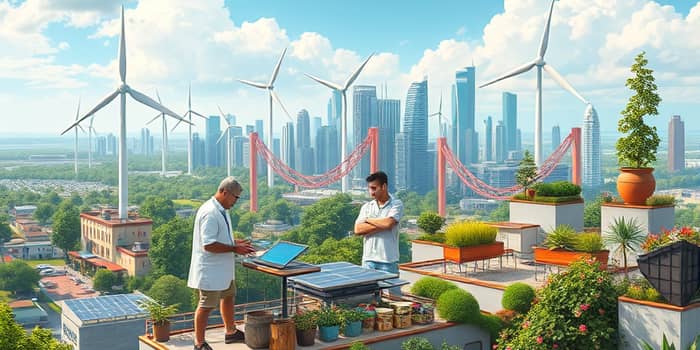
We stand at a transformational moment in global finance, where the traditional pursuit of profit converges with the urgent need to protect our planet. The rise of green finance is more than a trend—it is a movement redefining how capital can drive environmental progress and social well-being. Today’s investors have the opportunity to shape a legacy of sustainability and resilience by channeling resources into projects that benefit both people and the planet.
Over the next decade, the green and sustainable finance markets are projected to skyrocket, reflecting a collective shift in priorities. Green finance alone is expected to grow from USD 4,432.95 billion in 2025 to over USD 10,228.14 billion by 2035, achieving an annual growth rate of 8.72 percent. Meanwhile, broader sustainable finance could exceed USD 30 trillion by 2034, propelled by an astonishing 16.38 percent CAGR.
At the same time, ESG investing is forecast to surge from USD 45.61 trillion in 2026 to USD 180.78 trillion by 2034, registering an 18.80 percent CAGR. These figures underscore an explosive expansion, presenting investors with an unprecedented global investment opportunity in environmental and social initiatives worldwide.
Such growth is not just a statistic; it signals a fundamental realignment of capital toward projects that mitigate climate change, drive renewable energy adoption, and foster inclusive economic development. For forward-thinking investors, understanding these projections is key to seizing the moment and aligning portfolios with the forces reshaping our collective future.
Several powerful trends and drivers underpin this revolution. From regulatory mandates to shifting consumer values, the landscape is being redrawn daily.
Within this dynamic market, a diverse array of financial instruments has emerged to meet investor needs and drive impact.
These instruments empower investors to support projects that deliver measurable benefits, from reducing carbon footprints to improving social equity. By incorporating sustainability metrics into loan covenants and bond frameworks, issuers and investors alike ensure that capital is deployed responsibly and transparently.
The green finance surge is truly global, yet regional dynamics reveal unique strengths and opportunities.
North America leads with USD 41.5 trillion under stewardship policies, while Europe commands 44 percent of global ESG assets, driven by robust EU frameworks. The Asia-Pacific region, notably China, Japan, and India, records the highest growth rates in sustainable investment funds. Latin America is rapidly advancing through green taxonomies and carbon markets in Colombia and Brazil.
Major financial institutions—BlackRock, Goldman Sachs, HSBC, BNP Paribas, and others—are doubling down on sustainability, establishing dedicated green divisions and launching new products. Collaboration between public and private sectors further amplifies impact, unlocking capital for infrastructure projects and climate solutions worldwide.
For individuals and institutions ready to participate in the green finance revolution, a structured approach can transform ambition into action:
By adopting these steps, investors can build resilient portfolios that not only pursue returns but also generate tangible environmental and social outcomes. This dual mandate fosters long-term stability and aligns investments with global sustainability goals.
The green finance revolution is more than a financial shift—it is a moral imperative and a strategic necessity. As climate risks intensify and social challenges mount, the alignment of capital with sustainability offers a powerful solution. Investors today have the chance to be pioneers in an era of profound change, helping to steer the global economy toward a more equitable and resilient future.
By embracing innovative instruments, leveraging market insights, and committing to transparent impact measurement, each stakeholder can contribute to a legacy of positive transformation. Together, we can harness the power of finance to protect our planet, uplift communities, and secure prosperity for generations to come.
Join the movement, seize the opportunity, and become part of the commitment to long-term value creation that defines the green finance revolution. The time to act is now—your investments can make a difference, shaping a sustainable tomorrow for all.
References