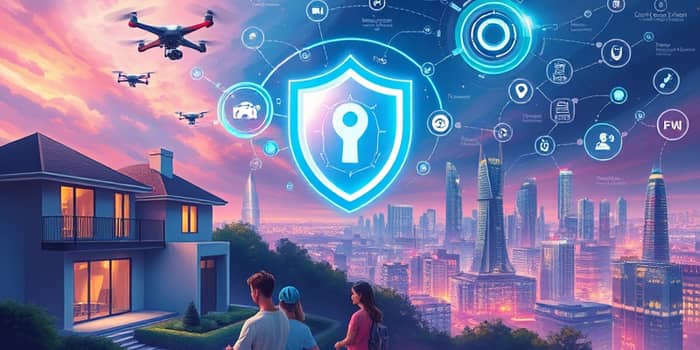
A new era of coverage is emerging, one focused on preventing losses before they occur and tailoring plans to individual needs. In this comprehensive exploration, we delve into the technologies and strategies that will define insurance by 2026 and beyond.
As the world faces escalating climate risks, economic shifts, and evolving customer expectations, insurers are moving from reactive claims models to forward-thinking ecosystems. Through a blend of artificial intelligence, IoT sensors, telematics, and data-driven personalization, a transformative landscape is taking shape.
Insurers are deploying predictive analytics and AI platforms to forecast risks ranging from wildfires to health emergencies. By analyzing geospatial data and real-time sensor inputs, companies can alert policyholders to imminent threats and advise on mitigation steps.
These innovations can reduce claim volumes by up to 25 percent, translating into lower premiums and a strengthened bond between insurers and customers. In collaboration with specialized firms, insurers have achieved a 63 percent reduction in wildfire losses through ember resistant vents and targeted sprinkler systems.
Gone are the days of one size fits all coverage. Insurers are embracing hyper personalized protection plans driven by IoT data, generative AI insights, and behavioral science. Usage based insurance, once confined to auto policies, now extends to homes, pets, and small businesses via wearable sensors and smart devices.
These strategies boost customer retention by approximately 20 percent and foster greater engagement as policyholders see direct value in their tailored plans.
Foundational to this shift are advanced AI and agentic systems that streamline underwriting and claims workflows. With 66 percent of consumers already using generative AI in their purchasing journeys, insurers are embedding intelligent agents to recommend optimal coverage and manage renewals seamlessly.
Cloud native platforms and low code tools accelerate deployment, while blockchain ensures secure micro transactions and augmented reality enriches claims validation.
The traditional insurance distribution model is giving way to agentic commerce and embedded solutions. Over forty automobile manufacturers now bundle policies at the factory level, and retail checkout experiences seamlessly include coverage options for electronics, travel, and wellness subscriptions.
Beyond product sales, ecosystems are orchestrating holistic journeys across health, wealth, and care services, enabling insurers to serve as trusted partners in every stage of life.
Despite softening interest rates and moderated premium growth of three to four percent, insurers face mounting pressures from climate driven loss ratios and medical inflation near eight percent. Insurance penetration holds steady at 7.4 percent of global GDP, yet protection gaps widen as high risk zones see premiums double or triple.
By leveraging these trends, insurers can stabilize underwriting results and open new revenue streams, even in volatile markets.
Regulatory complexity, talent shortages, and geopolitical uncertainties pose hurdles to rapid transformation. Experts recommend cross functional collaboration and outcome based partnerships, aligning IT and business units to drive innovation.
Insurers are also advised to invest in mitigation infrastructure, offer premium incentives for risk reducing retrofits, and maintain agile technology roadmaps to adapt to emerging threats.
As proactive protection and individualized plans become standard, customers will expect real time risk insights and bespoke coverage options. The winners in this new era will be those who integrate advanced analytics, embedded ecosystems, and immersive digital experiences to deliver unparalleled peace of mind.
By embracing a culture of continuous innovation, insurers can turn rising risks into opportunities for growth and customer loyalty. The transformative journey has begun, and the path forward promises resilience, relevance, and renewed trust in the value of insurance.
References