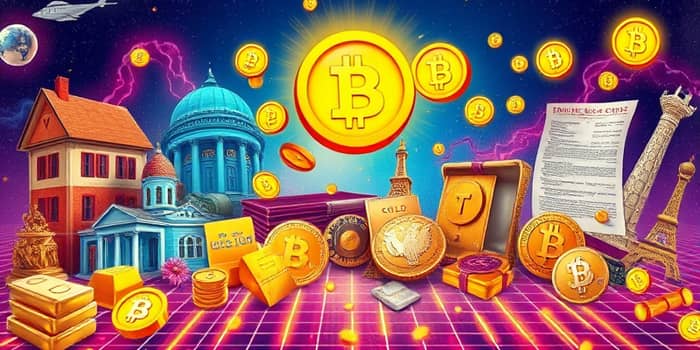
Imagine a world where a slice of a luxury apartment in New York, a fraction of a Picasso painting, or a share of gold bullion can be bought, sold, and managed with the same ease as sending a text message. That vision is taking shape today through the revolutionary process of tokenization, which is turning illiquid assets into opportunities for investors of all sizes.
By representing ownership rights on a blockchain, tokenization is bridging TradFi and DeFi worlds, unlocking new forms of engagement, transparency, and participation. In this article, we’ll explore the core concepts, inspiring benefits, practical steps, and future horizons of real-world asset (RWA) tokenization, so you can confidently join this transformative movement.
At its core, tokenization converts legal claims to physical or digital assets—such as real estate, bonds, commodities, or art—into digital tokens on a blockchain. These tokens may be fungible, like shares in a property trust, or non-fungible, like one-of-a-kind pieces of art. They can represent full ownership, fractional stakes, or mirror the performance of an asset pool.
The process involves several critical steps. First, the asset is identified, valued, and appraised to establish a fair market price. Next, legal ownership, compliance, and custody arrangements are confirmed, often involving regulators like the SEC or CFTC. Then, detailed metadata about the asset is encoded and bridged on-chain via oracles. Finally, smart contracts are deployed to mint, manage, and distribute tokens, which can be traded on digital marketplaces around the clock.
By leveraging a verifiable immutable record of ownership and smart contracts automate trust, tokenization offers a transparent, efficient, and secure alternative to traditional financial processes.
From the perspective of an investor, tokenization delivers several compelling advantages:
Together, these benefits create an ecosystem where assets that once sat idle can now generate value through trading, lending, or even staking in decentralized finance protocols.
No innovation is without challenges, and RWA tokenization carries its own set of considerations. Understanding and addressing these risks is essential to building a sustainable market.
As regulatory frameworks evolve through 2025 and beyond, cooperation between innovators and authorities will be pivotal. Proactive compliance and transparent governance models can turn regulation from a hurdle into a foundation for trust.
Whether you’re an individual investor or an asset manager, following a clear roadmap can demystify the tokenization journey.
By taking these steps methodically, you can build confidence and refine your strategy for engaging with tokenized assets.
Below is a concise summary of the most tokenized asset classes and their defining features:
The momentum behind RWA tokenization is accelerating. Institutional players like BlackRock have already tokenized billions in Treasuries, while startups democratize access to private equity and carbon credits. Emerging trends include:
Borderless global marketplaces where fractional stakes in renewable energy projects or intellectual property can be traded seamlessly. Platforms will integrate cross-chain protocols, enabling instantaneous swaps between tokenized assets and cryptocurrencies.
As policy clarity emerges in 2026, we anticipate new offerings in ESG-aligned tokenized bonds, tokenized insurance products, and creative financing structures for startups and infrastructure. The democratization of finance is no longer a vision—it is unfolding in real time.
For investors and asset owners alike, the era of fractional ownership at scale heralds a future in which value flows freely, barriers dissolve, and innovation thrives on a foundation of trustless, transparent technology.
Embrace this transformative wave. Whether you seek to diversify your portfolio, unlock hidden liquidity, or contribute to the next generation of financial infrastructure, tokenization offers a path forward. The journey begins with informed steps, collaborative governance, and a spirit of exploration.
Welcome to the new frontier of finance—where every asset, big or small, can become a liquid opportunity in the global digital marketplace.
References