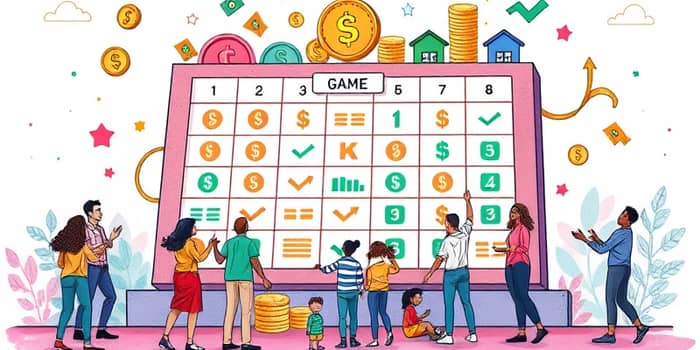
In a world where financial decisions shape life’s biggest milestones, traditional education often falls short. Stale lectures and dense textbooks can leave learners disengaged and overwhelmed. Yet, a playful revolution is underway, transforming budgeting and investing into rewarding quests.
By weaving game mechanics into financial learning, educators and institutions are creating interactive, enjoyable experiences that captivate users. This approach, known as financial gamification, turns complex concepts into compelling challenges.
Financial gamification applies familiar game elements—points, badges, levels, and leaderboards—to non-game settings. Users pursue goals like saving milestones, credit score improvements, or investment simulations, earning instant feedback and rewards.
Psychological principles such as competition, achievement, and positive reinforcement drive engagement. When learners see progress bars advance or unlock new avatars, they experience a sense of accomplishment that textbooks rarely deliver.
This method doesn’t trivialize serious topics; instead, it provides a safe risk-free learning environment where mistakes become lessons. Users practice real-world skills—budget planning, debt management, and portfolio building—without fear of costly errors.
Evidence confirms that gamified financial tools outperform traditional methods across key metrics:
In a randomized trial spanning four countries and over 2,000 students, game-based learning delivered significant literacy gains. Businesses also reap rewards: banks see 50% higher conversion rates and measured ROI spikes above 46% recurring profits.
Leading platforms showcase diverse gamification strategies tailored to audiences of all ages:
Each tool leverages transform dry financial topics into compelling narratives. Whether students navigate budgeting quests or families compete on virtual leaderboards, the interactive format fosters lasting habits.
Successful gamification hinges on thoughtful design and clear objectives. Key elements include:
Integrating real financial data enhances authenticity, while avatars and storytelling deepen user connection. Regularly track metrics—completion rates, retention, and behavior shifts—to refine the experience.
As Gen Z and younger generations embrace digital interactivity, fintech firms and educational institutions are expanding gamification. Emerging trends include:
Esports integrations that challenge audiences to save or invest during live matches, workplace programs offering retirement plan quests, and AI-driven personalized learning paths that adapt challenges to individual progress.
Blockchain and virtual reality promise immersive simulations where users manage digital assets or navigate global markets. These innovations hold the potential to further close literacy gaps and foster long-term financial well-being.
While gamification offers transformative potential, pitfalls exist. Overemphasis on rewards can lead to rising confidence without literacy if game design neglects educational depth.
Best practices include:
Financial gamification represents a powerful shift in how we learn about money. By harnessing play, we can spark engagement, boost confidence, and cultivate lasting habits.
Whether you’re a student navigating budgeting simulations, a parent guiding teens through savings challenges, or an adult mastering investment quests, gamified tools offer a dynamic path to literacy and financial well-being. Embrace the game—and watch your confidence and competence grow.
References