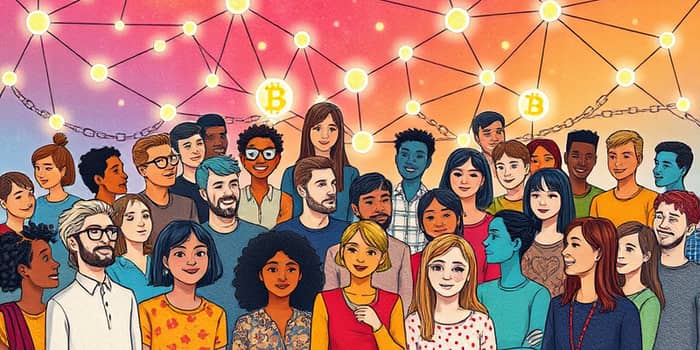
In today’s digital landscape, the conversation around social media is rapidly shifting from convenience and connectivity to questions of control and ownership. For too long, centralized platforms have dictated the terms of engagement, harvesting data and moderating content behind closed doors. As concerns grow, a new paradigm emerges: decentralized social media. This movement promises not just a fresh way to connect but a fundamental reclamation of power by users. It’s a journey toward platforms that are owned by communities, where transparency, privacy, and autonomy are the guiding principles.
The first wave of social networks revolutionized communication, enabling billions to share stories, images, and ideas in real time. These centralized giants introduced features that became ingrained in our daily lives: news feeds, instant messaging, targeted advertising, and content moderation policies. But behind the scenes, vast amounts of personal information were collected, analyzed, and monetized without full user consent.
This imbalance led to growing dissatisfaction. In response, innovators began to explore alternatives. By distributing control across independent servers, decentralized platforms challenge the status quo. They leverage blockchain and distributed ledger technology to ensure that no single entity holds ultimate authority. As a result, communities set their own rules, each node contributing to a collective governance model that values participation and transparency.
The move towards decentralized platforms is propelled by several strong forces:
Market projections underscore this momentum. With the decentralized network sector expected to grow from $18.5 billion in 2025 to $141.6 billion by 2035, the landscape is primed for transformation. Search interest has surged 145% in five years, reflecting a public eager for change and greater digital sovereignty.
Across microblogging, content publishing, and community forums, decentralized alternatives are carving out distinct niches. Each platform contributes unique features that collectively demonstrate the power of distributed networks.
These platforms are not just experiments. They represent a shift towards an ecosystem where users retain full ownership of their data and can migrate seamlessly between services without losing their digital identity.
As we approach a critical juncture in digital policy, 2026 emerges as a watershed year. Governments and regulatory bodies worldwide are intensifying scrutiny of large technology firms. This pressure creates fertile ground for alternatives that align with emerging data protection regulations.
Decentralized social media can play a pivotal role in reducing dependence on non-European tech giants and fostering a more resilient public sphere. By embedding federated and distributed governance models into mainstream discourse, policymakers can support platforms that prioritize user rights and community-led moderation.
Despite impressive growth and innovative technology, decentralized networks face hurdles that must be addressed to achieve mainstream adoption.
Overcoming these challenges requires dedicated development, community outreach, and user education. Platforms must simplify onboarding processes, stabilize token economies, and collaborate on interoperability standards to foster a cohesive ecosystem.
For individuals eager to transition to decentralized social media, the path may seem daunting. However, taking strategic steps can ease the journey and maximize benefits.
Begin by identifying your primary motivations—whether it’s privacy, content ownership, or community governance. Research platforms that align with your needs, exploring features such as encryption, token rewards, and federation protocols. Join online forums and developer communities to gain insights and support during onboarding.
Secure your identity by using reputable wallets and managing private keys responsibly. Regularly back up critical data and leverage decentralized storage solutions for sensitive content. Engage in platform governance by voting on proposals, contributing to moderation standards, and participating in community fund allocations.
For creators, consider tokenization strategies to monetize content directly. Explore partnerships within niche communities and diversify income streams by leveraging NFTs, creator coins, and micropayments. By taking a proactive role in shaping these emerging networks, you not only protect your digital footprint but also help drive the collective success of the ecosystem.
Decentralized social media represents more than a technological trend—it heralds a fundamental shift in how we connect, share, and govern our online lives. By embracing platforms that champion resilient digital information ecosystem principles, users can reclaim control of their data and foster communities built on trust.
The journey toward decentralized networks will be iterative and collaborative. Yet, as adoption grows and technology matures, the promise of equitable, transparent, and user-centric social media becomes attainable. Now is the time to explore, participate, and help shape a future where digital freedom is not just an aspiration but a reality.
References