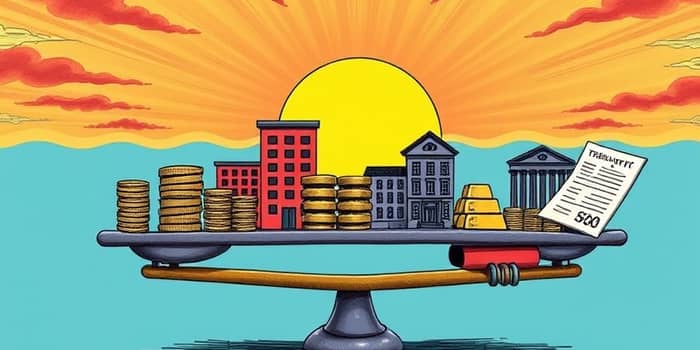
In a world where bank savings rates have plunged below inflation, holding excess cash feels like watching your purchasing power erode. As we head further into 2026, investors face an economic backdrop of gradual rate cuts, fading inflation and rapid technological advancements driven by AI. Now is the moment to rethink your cash stashes and explore alternatives that can deliver stability and better long-term returns.
Savings and checking accounts once offered safe havens with modest yields. Today, these accounts barely outpace fees, threatening to undercut the real value of your emergency fund. By diversifying, you guard against the opportunity cost of stagnant cash, especially when high-quality bonds and short-term treasuries can lock in superior income levels over the coming years.
An over-reliance on bank deposits exposes you to sudden rate cuts and service fees that chip away at returns. Portfolios overweighted in cash suffer from lack of diversification and muted growth potential. Furthermore, inflation remains unpredictable, and every percentage point above your savings rate reduces your real wealth. A more balanced approach mitigates these threats and positions you to capitalize on market movements.
Exploring time-tested options can be a prudent first step. Consider certificates of deposit (CDs) and high-yield savings accounts with competitive APYs. Short- and intermediate-term government bonds, including T-bills and treasury notes, offer liquidity and security backed by sovereign guarantees. Modular platforms allow you to spread deposits across multiple institutions, ensuring full FDIC or similar protections while unlocking insured liquidity diversification.
For those ready to step beyond traditional vehicles, blending asset classes can enhance yield and reduce correlation. Introduce modest allocations to foreign government bonds or currency-hedged funds to hedge against dollar fluctuations. Phased rebalancing—trimming overvalued positions and redeploying into fixed income—helps maintain target allocations without market timing. This disciplined approach adapts to evolving valuations and economic signals.
The right mix of assets depends on your time horizon, risk appetite and income goals. Below is a comparison of key instruments that can complement or replace idle bank cash.
Beyond these core instruments, consider dividend-paying equities in utilities and healthcare for reliable cash flow without excessive exposure to tech volatility. For ambitious investors, small allocations to private equity or art can introduce low-correlation growth potential. Always weigh liquidity constraints and ensure these augment, rather than replace, your liquid emergency reserves.
Creating a practical plan helps transform theory into action. Start by outlining objectives—emergency reserves, income stream or capital preservation. Set allocation rules tailored to your stage of life. Younger investors might favor a higher-risk approach, while those nearing retirement scale into short-duration bonds. Use tax-advantaged accounts to shelter interest, and incorporate dynamic rebalancing rules to realign positions annually or when targets drift significantly.
"Age 50 is a neat cutoff... build a bulwark of safer assets, high-quality short- and intermediate-term bonds, little bit of cash." – Christine Benz, Morningstar.
The year ahead presents unique chances to capture yield in mortgage-backed and securitized assets that offer spreads above Treasuries. Carefully selected MBS can serve as a yield pickup over government debt, particularly when inflation expectations stabilize. Meanwhile, nascent tokenized instruments and cautious crypto exposure may provide uncorrelated return streams for those with higher risk tolerance.
Political shifts and currency volatility also demand vigilance. Consider subtle hedges via multi-currency holdings or low-cost futures to offset emerging geopolitical risks.
Avoid chasing short-term spikes or attempting to time rate cycles. Instead, focus on a phased entry that spreads risk across valuations and calendar periods. Remember that cash is not a long-term strategy—it serves as a temporary hedge and a foundation for more diversified allocations. Leverage data analytics to track performance against benchmarks and adjust tactics as market conditions evolve.
"A portfolio that started with a 60% weighting in stocks and 40% in bonds 10 years ago would now contain more than 80% in stocks." – Amy Arnott, Morningstar.
Diversifying cash beyond the bank account is both a defensive measure and an opportunity to enhance portfolio resilience. By thoughtfully integrating bonds, treasuries, real estate, commodities and selective alternatives, investors can protect purchasing power and position themselves for steady income. As the economic narrative unfolds in 2026, a balanced cash strategy will be a cornerstone of sustainable financial success.
Your balanced cash diversification plan will not only shield you from market swings but also pave the way for a more confident financial future.
"2026 favors investors over gamblers, as fading inflation and technological advances reshape income opportunities." – Rick Rieder, BlackRock.
References